
What are the 5 most popular vegetables in Japan?
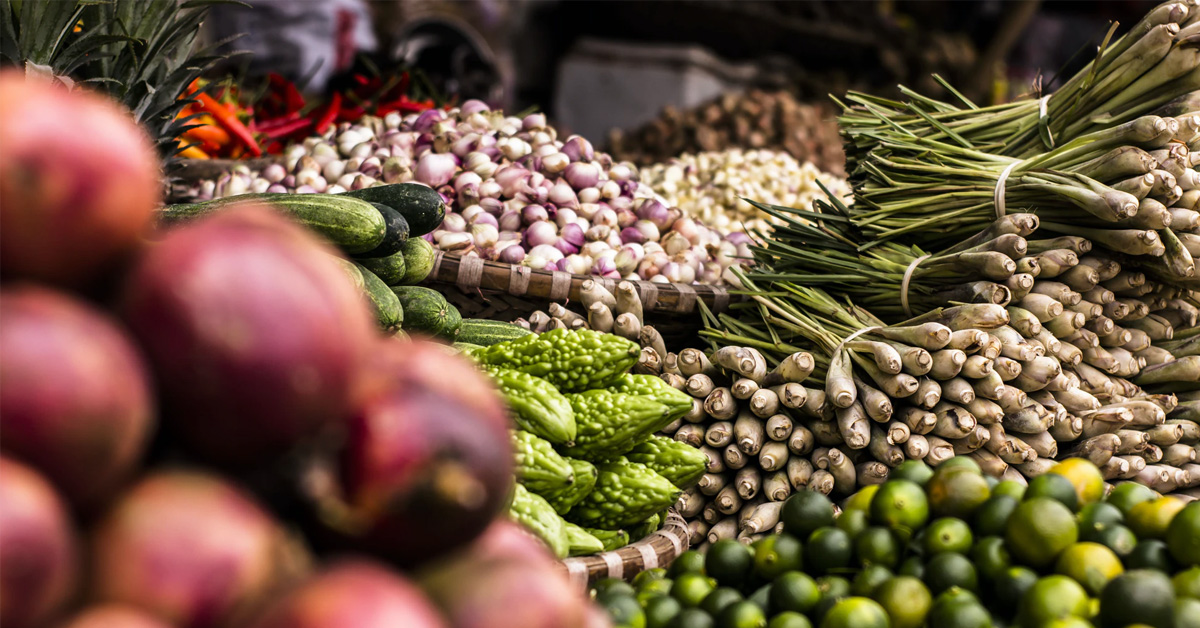
Often overlooked, Japanese vegetables are just as important in Japanese food culture as seafood and meat. Japan uses an abundance of root vegetables, leafy greens, and many others in its cuisine. Vegetables play a leading role not only in salads and side dishes, but also in soups, main courses, and even desserts.
Here is a selection of five Japanese vegetables commonly used in cooking:
1. Negi: Japanese bunched onion
One of the most widespread Japanese vegetables, negi, is often confused with Welsh onion and leek due to their striking similarities in appearance and taste.
In Japanese it can also be called "naga negi" (long negi) or "shiro negi" (white negi).
This long green onion is used to flavor stews, as well as soups and hot pots.
Negi is particularly popular during the winter months, as it is also known to be a popular remedy for colds.
2. Kabocha: Pumpkin Kabocha
Kabocha is a type of squash with a flavor similar to pumpkin, but known for being slightly sweeter. These squashes are robust and dark green in appearance, revealing a bright orange color when cut open.
Kabocha simmered in soy sauce and sugar is a typical side dish in our house. Once cooked, the skin is entirely edible and just as delicious as the inside, so be sure not to waste it!
Kabocha is also a popular vegetable in Japanese tempura, and diced and mashed kabocha are used in salads. This vegetable is known to be rich in beta-carotene and vitamin A, and also contains vitamin C, iron, and potassium.
3. Daikon: Mooli
The word daikon means "large root", and this white radish lives up to its name!
Crispy when raw and tender when cooked, this Japanese root vegetable has a milder taste than some other types of radish.
This versatile Japanese vegetable can be prepared in a variety of ways. It can be simmered with seafood, cooked in soups or pot dishes like oden. When grated raw, it is called daikon oroshi, and is popularly eaten with grilled fish, soba and udon noodles, and tempura.
Daikon is known to be a good source of fiber, folate, riboflavin, and potassium, as well as containing various other vitamins.
4. Shiso: Perilla
If you are looking for an herb that leaves an impact on your taste buds, look no further than shiso.
Known in the West as the perilous plant or steak plant, this leaf is renowned for its potency and flavor.
There are different types of shiso used in Japan. The green leaves are called aojiso, while the red leaves are akajiso.
In Japan, aojiso is a characteristic flavor of Japanese-style salad dressing, and shiso is often paired with umeboshi (pickled plums) to flavor rice.
In addition to being tasty, this leaf is known for its nutritional benefits, notably its relatively high content of omega fatty acids.
5. Naga-imo: Japanese mountain yam
Naga-imo means "long potato," and it's easy to see why! However, unlike a typical potato, it's most often served grated, a preparation known as tororo, which is a slimy, gooey topping served over rice and noodles. It's also used as a thickener in a pancake-like dish called okonomiyaki. Its mild flavor makes it a perfect side dish, a vegetable whose taste doesn't overpower the main course. Even better, it's a good source of protein, potassium, magnesium, and other vitamins!
Although we have included five of the most famous Japanese vegetables found in the country, this is by no means a complete list, so don't be surprised if you encounter other even more delicious vegetables while enjoying the country's exquisite cuisine.
If you're in Japan, you absolutely must try these vegetables! If you're lucky enough to find these vegetables in your area, they come from... organic farming, Why not try using them in your cooking?