
A brief history of the Makis: where do they really come from?
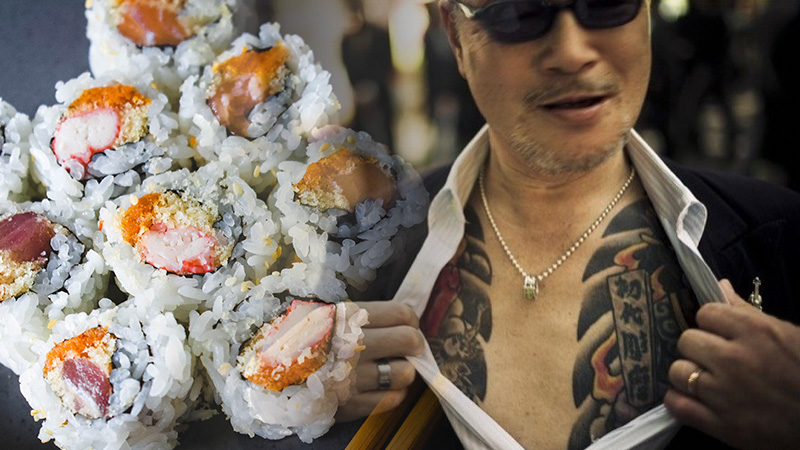
Everyone knows Makis, whether they are California Rolls or more traditional makis wrapped in their famous nori seaweed sheet, over the years they have become true staples of Japanese cuisine in the West: but do you know where they really come from?
Sushi for criminals
Maki is short for "makizushi", which means "sushi rolls", they originated naturally in Japan and are made from a roll of white rice with sweet vinegar, filled with raw fish or raw vegetables, all wrapped in a sheet of black seaweed.
According to legend, maki as we know it was created by Japanese criminals, more commonly known as "yakuza," because they could not easily eat their sushi while playing cards.
Annoyed, they reportedly asked for a solution to be found: thus, the maki wrapped in a sheet of nori seaweed was born.
North America and California Rolls
In the early 1970s, Maki rolls arrived in Asian restaurants and American homes. Unaccustomed to seaweed and its appearance, the famous rice roll didn't particularly appeal to Americans.
That's when the Japanese chefs had an idea: to make Makis inside out, by placing the seaweed sheet inside and wrapping it in rice.
This is how California Rolls were born, in 1971 in Vancouver. Americans became true fans of this new inverted Maki and the city of Los Angeles even made it its specialty, which gave rise to its name California Rolls.
It will be available in different forms: with salmon, with vegetables and even with "Philadelphia" cheese, which will then become the "Philadelphia Rolls".
So, what are you waiting for to make and enjoy your own Makis with the Easy Sushi® device While thanking those brave yakuza who ultimately invented these delicious specialties, of course.