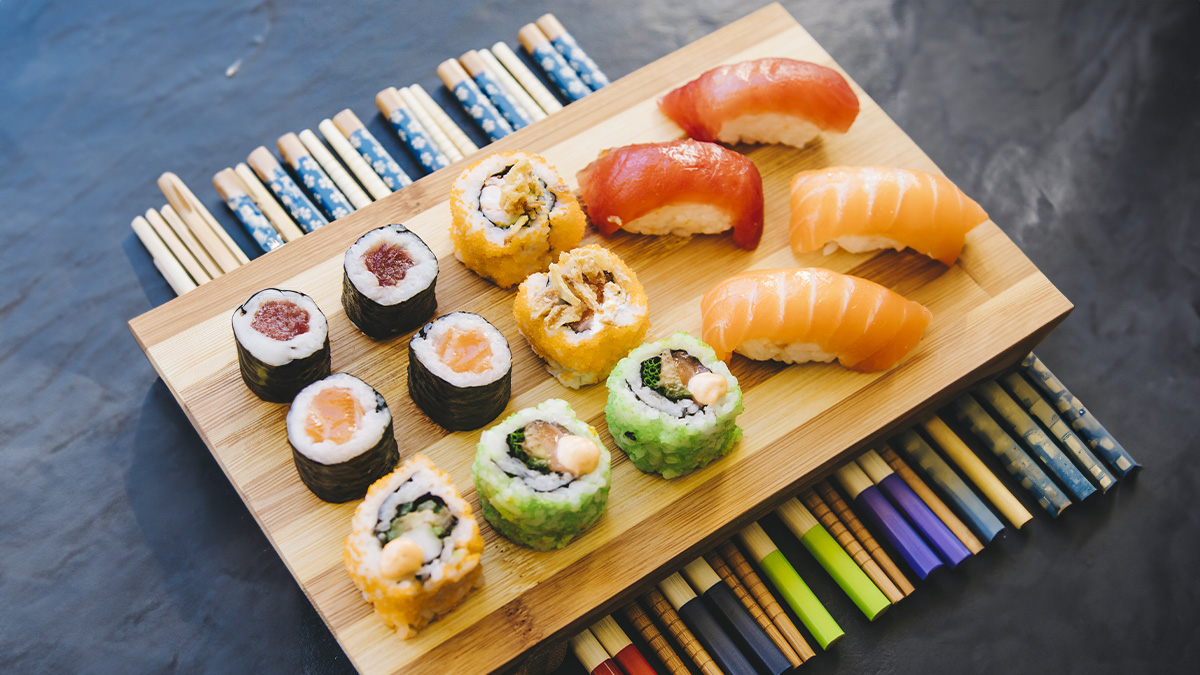
When considering the impact of sushi on weight, it's crucial to understand its calorie content and nutritional value. Sushi can vary considerably in calories depending on its ingredients and preparation. For example, a sushi roll traditionally made with rice, raw fish, and nori seaweed can be relatively low in calories, primarily due to its small size and simple composition.
However, some types of sushi, such as fried sushi, sushi made with excessively sweet white rice, or those topped with mayonnaise or spicy sauces, can be much higher in calories. Furthermore, portion sizes can vary from restaurant to restaurant, which can significantly influence total calorie intake.
In terms of nutritional value, sushi can be a source of lean protein from raw fish or seafood, as well as carbohydrates from vinegared rice. The nori seaweed used to wrap sushi is also rich in essential minerals such as iodine. However, sushi often lacks vegetables or other sources of fiber and essential nutrients, which may be a factor to consider for a balanced diet.
Ultimately, managing the calorie intake and nutritional value of sushi will depend on the choice of ingredients and portion sizes, as well as the frequency of consumption. By adopting a conscious and moderate approach, it is possible to integrate sushi into a healthy and balanced diet.
3 – Consumption and health alternatives
To maintain a nutritional balance while enjoying sushi, it is important to adopt mindful eating strategies and explore healthy alternatives.
Moderation: Consuming sushi in moderation is essential to avoid overconsumption of calories. Limit the frequency and quantity of sushi eaten during meals to maintain a calorie balance.
Opt for lighter alternatives: Choose lighter sushi options by favoring rolls made with lean fish, fresh vegetables, and brown or wholegrain rice. Avoid fried toppings, high-fat sauces, and sushi that's overloaded with calories.
Add healthy sides: Complement your sushi meal with healthy sides such as green salads, crunchy vegetables or clear soups to increase your intake of fiber and essential nutrients.
Opt for vegetarian alternatives: Explore vegetarian sushi options by choosing rolls made with vegetables, avocado, tofu, or mushrooms for an alternative lighter and richer in nutrients.
Practice self-control: Be mindful of your food choices and portion sizes when eating sushi. Savor each bite and stop when you're satisfied, thus avoiding overeating.
By adopting these conscious consumption strategies and exploring healthy alternatives, you can enjoy the delights of sushi while maintaining a balanced and healthy eating lifestyle.
Conclusion
In conclusion, the question of whether eating sushi makes you gain weight cannot be addressed simplistically. Sushi, with its combination of vinegared rice, raw fish, seaweed, and other ingredients, offers a delicious and often perceived healthy culinary option. However, its impact on weight largely depends on portion sizes, ingredient choices, and frequency of consumption.
By adopting a mindful and balanced approach, it is entirely possible to enjoy sushi in moderation while maintaining a healthy eating lifestyle. By choosing lighter options, controlling portion sizes, and exploring... health alternatives, You can enjoy sushi without compromising your weight and health goals.
Ultimately, enjoying sushi is part of a varied and balanced eating lifestyle, in which moderation and mindfulness play a key role. By making informed choices and adopting mindful eating strategies, you can fully enjoy this delicious Japanese specialty while maintaining your overall well-being.