
Sushi vs. Maki: Differences between these two iconic dishes
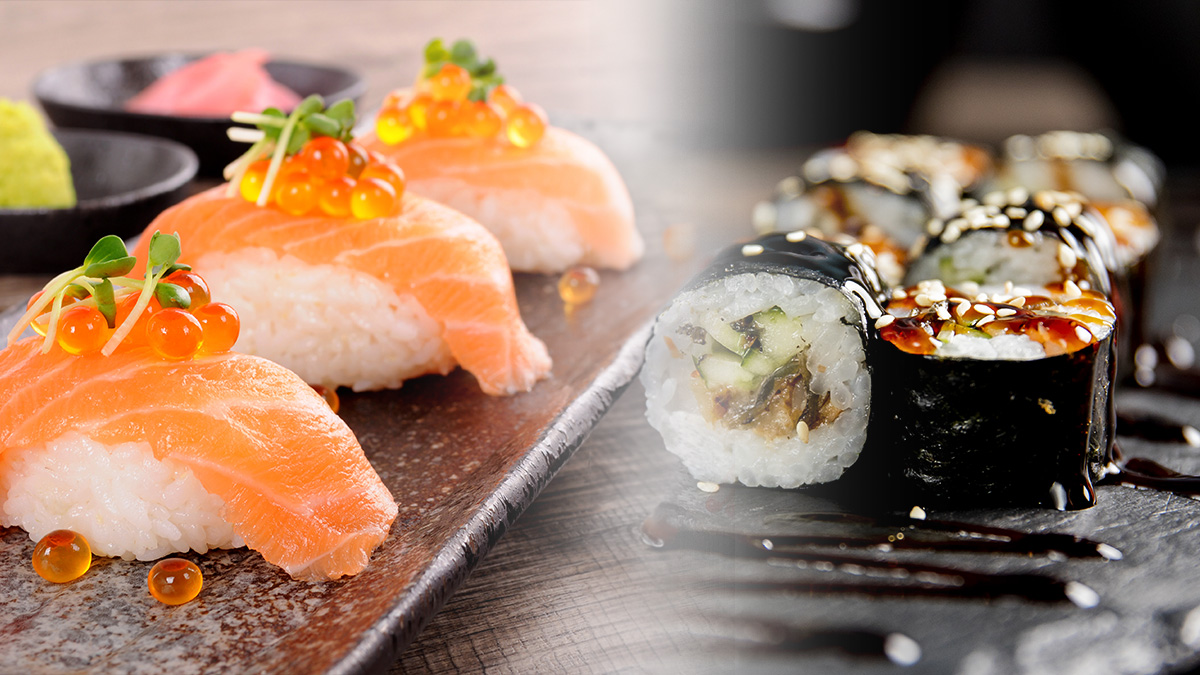
Welcome to this captivating article that will take you on a culinary journey into the heart of Japanese gastronomy. Today, we'll delve into the delicious world of sushi and maki, two iconic dishes that have won over palates worldwide. Although often confused, these Japanese delicacies have each with their own distinct character and unique features. Discover the secrets of their preparation, their culinary differences, and how to enjoy them for an unforgettable taste experience. Buckle up for a flavorful feast of knowledge and tastes!
1 – Origins and history of sushi and maki
To fully understand the difference between sushi and maki, it is essential to delve into their fascinating history. Both dishes have ancient origins and are deeply rooted in Japanese culinary culture.
Sushi, known for its harmonious combination of vinegared rice and raw fish, dates back more than a millennium. Originally, it was prepared as a way to preserve fresh fish by fermenting it with rice. This preservation method evolved over time to become a true gastronomic delicacy appreciated by the Japanese and the rest of the world.
Maki rolls, on the other hand, appeared later, around the 18th century. It is said that sushi chefs began wrapping fish and rice in seaweed, also known as nori, to make them easier to eat. This technique was adopted to create convenient dishes to take with them when traveling. As a result, maki rolls quickly became popular throughout Japan and beyond.
Over the centuries, these two dishes have evolved, adapting to the preferences and tastes of different regions of Japan. Their popularity has grown worldwide. thanks to their unique combination of flavors and textures.
Immerse yourself in this rich and captivating culinary history to better appreciate the subtle nuances that distinguish sushi and maki, and whet your appetite as you discover how these two gastronomic marvels became staples of modern Japanese cuisine.
2 – Ingredients and preparation: culinary differences
One of the main differences between sushi and maki lies in their ingredients and preparation methods. Although both dishes use vinegared rice as a base, their compositions and combinations are unique.
Sushi, true culinary gems, showcases the quality and freshness of its ingredients. It typically consists of a thin slice of raw fish, such as salmon, tuna, or mackerel, delicately placed on a small ball of vinegared rice. Sometimes, other seafood like shrimp or sea urchin is also used. The simplicity of the preparation aims to enhance the natural flavors of the ingredients.
On the other hand, maki are savory rolls that incorporate an assortment of ingredients. Rice is placed on a bamboo mat, covered with nori sheets, and filled with fresh vegetables, seaweed, raw or cooked fish, as well as various sauces and condiments. The whole thing is rolled into a compact cylinder and cut into small pieces, ready to be enjoyed.
In short, sushi emphasizes the quality of the ingredients and the simplicity of their assembly, while maki offers a variety of ingredients carefully harmonized in a roll of rice and seaweed. These subtle differences in preparation give each dish its unique character and flavor signature., revealing the creative aspects of Japanese cuisine.
Discover how Japanese culinary artisans masterfully combine ingredients to create these two iconic gastronomic delights, each bringing its distinctive touch to Japanese culinary heritage.
3 – Shapes and presentation: two unique styles
Besides their culinary differences, sushi and maki are also distinguished by their shapes and presentation, adding an aesthetic dimension to their enjoyment.
Sushi, with its elegance and simplicity, is often presented in a minimalist style. Nigiri, for example, consists of small bites of vinegared rice topped with a thin slice of fish. They are often accompanied by wasabi and pickled ginger, highlighting the purity of the flavors and the attention to detail. The careful presentation of sushi is a true invitation to appreciate the finesse of the ingredients.
On the other hand, maki rolls captivate with their vibrant colors and varied shapes. The rolls are often filled with a variety of colorful ingredients, such as cucumbers, avocados, carrots, or sesame seeds, creating a true feast for the eyes. Slicing them into small cylinders reveals the inner beauty of each maki, transforming it into an artistic composition on the plate. Thus, maki rolls offer a visual experience that is as enchanting as it is delicious.
Whether you're savoring the delicate texture of sushi or the visual appeal of maki, each presentation style invites you on a sensory journey to the heart of Japanese cuisine. Immerse yourself in this world where creativity and aesthetics merge for you. to offer a unique and memorable culinary experience.
Join us to explore in greater depth the art of presenting these two iconic dishes, where the passion of Japanese chefs is reflected in every detail and where your senses will be delighted by an explosion of flavors and colors.
4 – Side dishes and tasting: how to fully enjoy them
Sushi and maki tasting is a culinary experience best enjoyed by combining delicate flavors with traditional accompaniments.
When enjoying sushi, condiments such as wasabi and pickled ginger are often served alongside to enhance the flavors. Wasabi, a bright green horseradish paste, adds a touch of heat to each bite, while pickled ginger offers a refreshing flavor profile to cleanse the palate between different types of sushi. Soy sauce is also a faithful companion to sushi, but it's best used sparingly so as not to overpower the other flavors. the delicate flavors of the ingredients.
With maki rolls, the accompanying sauces play a key role in the tasting experience. Teriyaki sauce, sweet and savory, provides a rich depth of flavor, while eel sauce, made with eel fish, adds a smoky and sweet touch. These sauces enhance the maki's ingredients and create a harmonious balance of tastes between the different elements.
To fully savor these Japanese delicacies, adopt a delicate and balanced approach to your tasting. Take the time to savor each bite, allowing the flavors to subtly mingle on your palate. Let yourself be carried away by the varied textures of the sushi and maki, from the sweetness of the raw fish to the crunch of the vegetables. Appreciate the harmony between the vinegared rice and the other ingredients. for a complete taste experience.
Finally, feel free to explore different combinations of sushi and maki to discover your personal preferences. Each bite transports you on a unique culinary journey, where tradition and creativity meet to awaken your senses.
Whether you prefer traditional sushi or modern maki, the very essence of these iconic dishes lies in the pursuit of gustatory pleasure and the harmony of flavors. Enjoy them with curiosity and an open mind, and let yourself be captivated by this refined Japanese cuisine that dazzles palates worldwide.
Conclusion
In conclusion, sushi and maki are two iconic dishes of Japanese cuisine that captivate food lovers worldwide. Their popularity lies in their elegant simplicity and harmonious flavors, which highlight the freshness of the ingredients and the art of presentation.
Although sushi and maki share similarities, including the use of vinegared rice and raw fish, they are distinguished by their unique preparations and presentations. Sushi is generally served in individual portions, while maki consists of several ingredients rolled in nori seaweed and rice.
The choice between sushi and maki will depend on your personal preferences and your desire to discover new flavors. Whether you opt for the elegant tradition of sushi or the creative boldness of maki, these Japanese delicacies promise to delight you. an unforgettable taste experience.
And for Japanese food enthusiasts who want to explore the art of preparing their own sushi and maki, Easy Sushi® is the perfect partner. This innovative and practical machine allows you to easily make sushi rolls and maki Professionals in no time. Thanks to Easy Sushi, you can unleash your culinary creativity and concoct personalized creations that will amaze your guests.
Whether you're a novice or an expert in Japanese cuisine, Easy Sushi® makes preparing these authentic delicacies easy. In just a few simple steps, you can making sushi and maki rolls worthy of a true chef. Practical and fun, Easy Sushi® makes the culinary experience even more enjoyable and allows the whole family to participate in the the creation of these little culinary masterpieces.
So, whether you're tempted by a gourmet evening at a restaurant or prefer to try your hand at making sushi and maki at home with Easy Sushi, one thing is certain: you'll discover all the magic of Japanese cuisine through these iconic dishes. Let yourself be captivated by the delicate flavors and exquisite textures of Japanese gastronomy and embark on an unforgettable culinary journey. Enjoy your meal!