
When should I add rice vinegar to sushi?
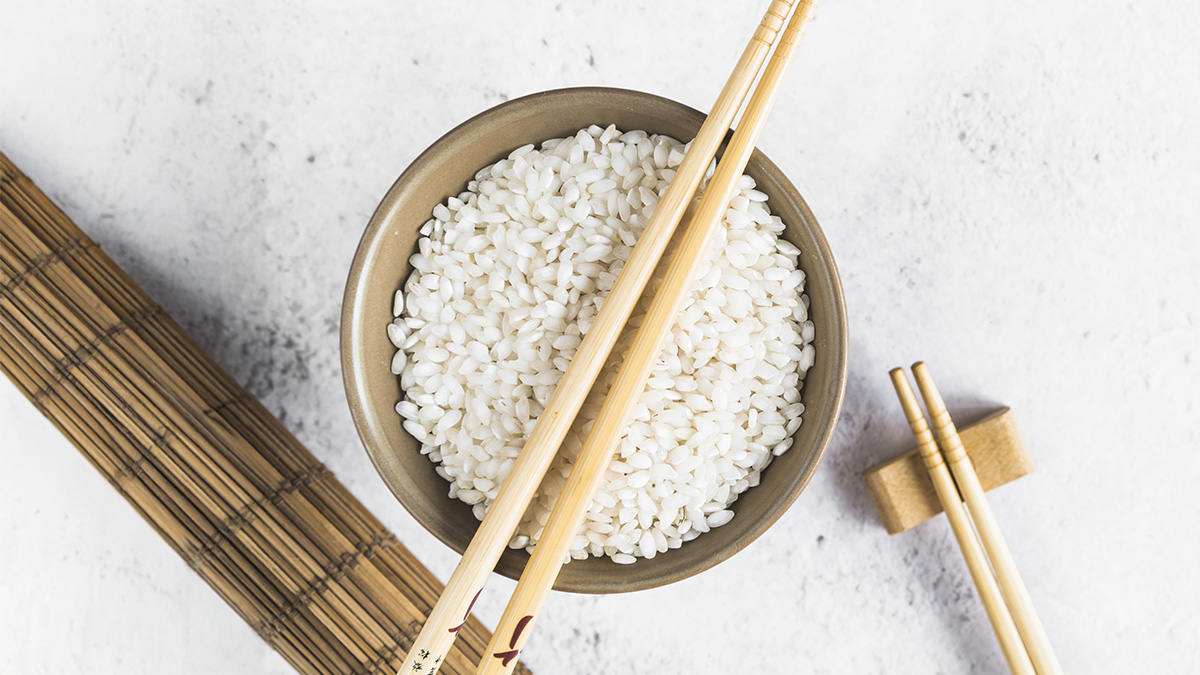
There sushi rice preparation Preparing the rice is a key step in making delicious and authentic sushi. One of the essential ingredients for giving rice its perfect texture and delicately tangy flavor is rice vinegar. But did you know that the timing of your addition can significantly impact the final result? In this article, we'll guide you on exactly when and how to incorporate rice vinegar to elevate your sushi. Whether you're a beginner or an aspiring chef, follow our tips to ensure you never mess up your sushi rice again!
Why is rice vinegar essential for sushi rice?
Rice vinegar is much more than just a seasoning. It plays a crucial role in the preparation of sushi rice, giving it its characteristic flavor and contributing to its unique texture. Mixed with sugar and salt, it creates a harmony of tastes that elevates sushi.
Beyond its flavor, rice vinegar also acts as a natural preservative, helping to maintain the rice's freshness. This was especially important in the days when sushi was prepared without modern refrigeration. Finally, it gives the rice a slightly sticky texture, ideal for assembling sushi and maki without them falling apart.
Before incorporating it, however, it is essential to understand the right time to add it in order to maximize its benefits.
When should I add the rice vinegar?
The timing of adding the rice vinegar is crucial for achieving perfectly seasoned and balanced sushi rice. Here are the key steps to follow:
– Rice cooked thoroughly Make sure the rice is fully cooked before adding the rice vinegar. Ideally, use short-grain or round-grain Japanese rice, which is suitable for sushi. Once cooked, let it rest for a few minutes in the rice cooker to allow for better water absorption.
– Hot Addition The rice vinegar should be added while the rice is still hot. This allows for better flavor absorption and ensures even distribution. Transfer the rice to a large salad bowl or a hangiri (traditional wooden bowl) for easier mixing.
– Gradual incorporation Pour the vinegar, sugar, and salt mixture in small amounts over the rice, gently mixing it with a spatula. Use a chopping motion to avoid crushing the grains, while lightly fanning it with a fan to cool it down. This technique helps achieve a slightly sticky but airy texture.
By following these steps, you will obtain perfectly seasoned rice, ready to enhance your sushi creations.
Tips for making perfect sushi rice
– Prepare the mixture in advance To save time and ensure a balanced flavor, prepare your vinegar, sugar, and salt mixture before you start cooking the rice. Gently heat the mixture to dissolve the ingredients, then let it cool before using.
– Use the correct proportions Good seasoning is all about balance. For 500g of uncooked rice, use approximately 100ml of rice vinegar, 50g of sugar, and 10g of salt. You can adjust the quantities to your personal preference, but be careful not to over-season the rice so that its flavor remains subtle.
– Ventilate the rice properly After mixing in the vinegar, remember to fan the rice or simply stir it gently. This not only cools the rice quickly but also gives it a shiny and appetizing appearance.
– Avoid overstocking Seasoned rice is best eaten fresh. If you have any leftover rice, store it at room temperature, covered with a damp cloth to prevent it from drying out. Avoid refrigerating it, as this hardens the grains and alters their texture.
With these tips, you'll master the art of sushi rice and be able to impress your guests with sushi worthy of the best Japanese chefs. It's your turn!
Conclusion
Preparing perfect sushi rice requires attention and care, but the result is well worth the effort. By adding the rice vinegar By using the right techniques and timing, you'll achieve flavorful, fluffy rice that's perfect for homemade sushi. Whether you're a beginner or a seasoned sushi chef, these simple steps will bring you closer to the standards of top Japanese chefs.
So, put on your apron, get out your rice vinegar, and start preparing sushi that will delight your loved ones. Enjoy your meal and have fun exploring all the possibilities of this Japanese culinary art!