
The different types of sushi and their history
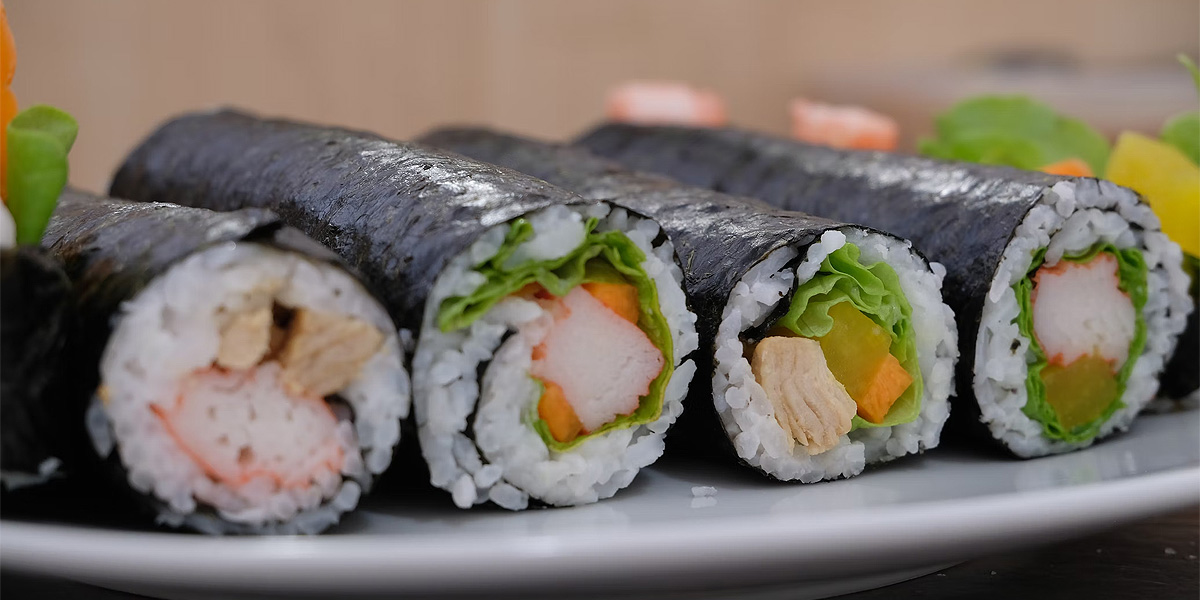
Sushi is a traditional Japanese dish which has become popular worldwide. It typically consists of vinegared rice accompanied by raw fish, vegetables, or other ingredients. There are many types of sushi, each with its own history and unique characteristics.
1 – History of the Maki
Maki rolls are arguably the best-known and most popular type of sushi. They typically consist of vinegared rice, raw fish or vegetables, rolled in a sheet of nori seaweed. Maki rolls are often cut into small pieces for easier handling, making them convenient to eat on the go.
The history of maki dates back to the early 20th century, when Japanese restaurateurs began serving them as a takeaway dish for workers and travelers. Before that, sushi was primarily eaten in restaurants and was often considered a luxury dish. Maki rolls have made sushi more accessible by making it more convenient to eat and more affordable.
There are many types of maki, each with its own ingredients and variations. Traditional maki include seaweed, scallion, and egg maki; cucumber and egg maki; and seaweed and raw fish maki. There are also more modern maki, such as avocado and shrimp maki; salmon and cream cheese maki; and vegetarian maki.
In addition to their ingredients, maki rolls can also vary in size and shape. Traditional maki rolls are generally small, but there are also larger varieties, such as futomaki, which are thicker and more filled, and hosomaki, which are thinner and smaller.
2 – History of Nigiri
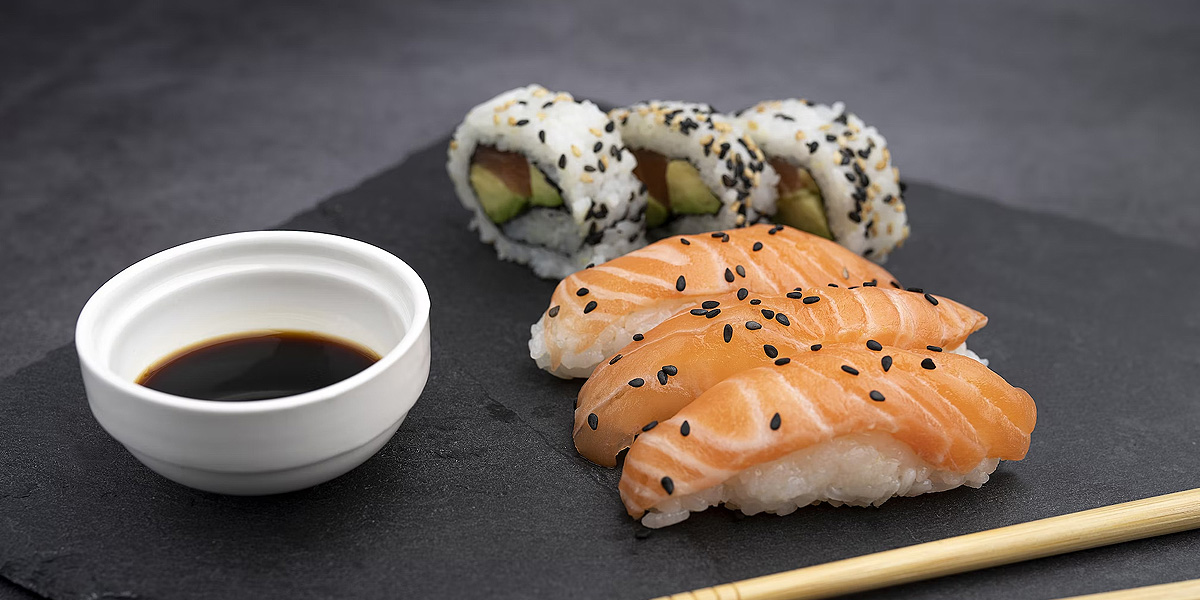
Nigiri are another popular type of sushi, typically consisting of vinegared rice topped with a slice of raw fish or vegetables. The fish used for nigiri is usually raw, but it can also be marinated, grilled, or smoked. Nigiri are often served with a little wasabi and grated ginger for added flavor.
Unlike makis, nigiris have a story that dates back to the Edo period (1603-1868) in Japan, where they were served as a main course in sushi restaurants. Dockworkers, such as fishermen, merchants, and sailors, often ate nigiri as a snack because they were easy to eat and convenient for a lunch break. Nigiri were often served on wooden boxes called "ozen," which workers carried with them for their lunch break.
There are many types of nigiri, each with its own ingredients and variations. Traditional nigiri include tuna, salmon, ebi (prawns), and tamago (roe). There are also more modern nigiri, such as foie gras, truffle, and seafood nigiri.
Nigiri are often considered a type of sushi. more authentic and traditional, They are popular because they have a long history connected to Japanese culture. They are also often considered more upscale than maki rolls, as they are usually served in smaller quantities and are often more expensive.
3 – History of Sashimi
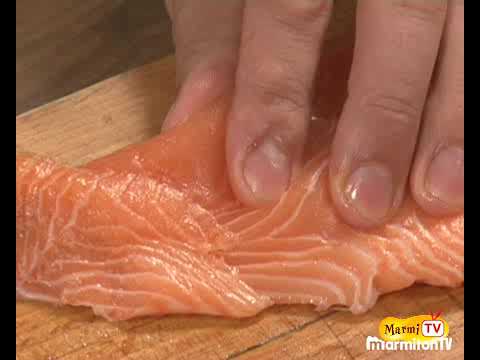
Sashimi consists of slices of raw fish, usually accompanied by grated ginger and wasabi. Sashimi is often considered the simplest dish in Japanese cuisine, as it contains only one basic ingredient: raw fish. Sashimi is generally served in small portions, often with a side of rice.
Sashimi has a history dating back to around the same time as nigiri; it was served as a main course in sushi restaurants. Sashimi was often consumed by the samurai and the members of the nobility, who appreciated them for their freshness and simplicity.
There are many types of fish that can be used for sashimi, each with its own unique flavors and textures. The most common fish used for sashimi include tuna, salmon, grouper, sea bass, and sea bream. There are also rarer varieties, such as pufferfish, sea bass, and bluefin tuna sashimi.
Sashimi must be prepared carefully To guarantee the freshness and quality of the fish, the fish used for sashimi must be of the highest quality and must be caught or purchased the same day to ensure its freshness. The sashimi must also be cut in a way that maximizes its texture and flavor.
4 – History of Tekami
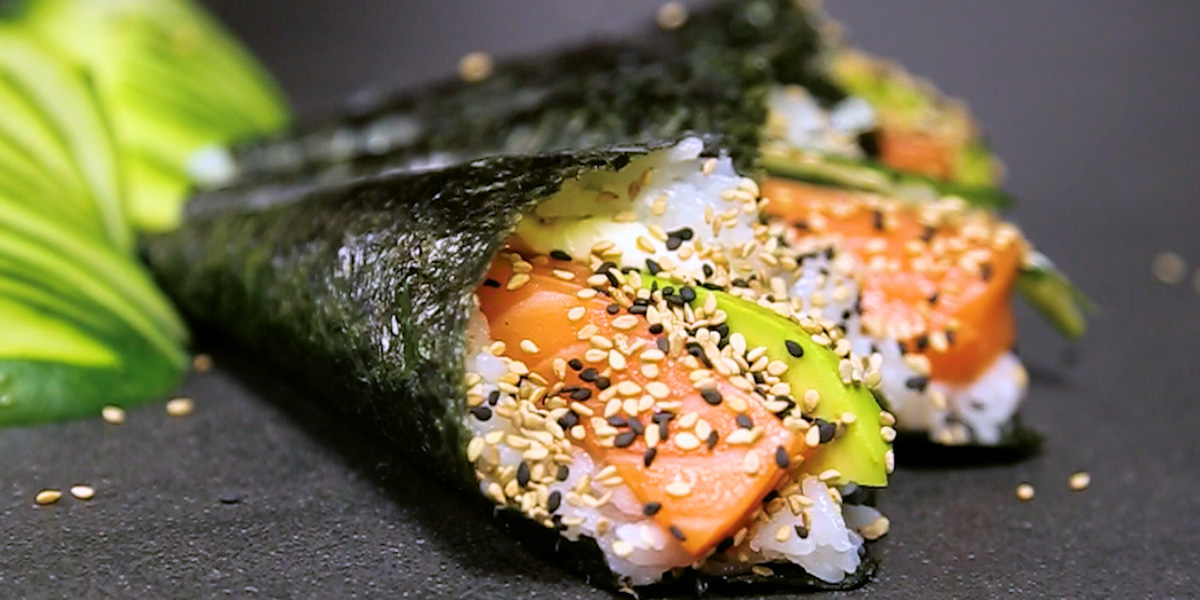
Temaki are a type of cone-shaped sushi, Filled with vinegared rice, raw fish, vegetables, and other ingredients, rolled in a sheet of nori seaweed. They are often considered a more recent type of sushi, as they were created to be easier to eat with your hands, unlike maki rolls which are cut into pieces.
Temaki can be filled with various ingredients, such as raw fish, vegetables, eggs, shrimp, avocados, and seaweed. They can also be served with sauces to add flavor, such as soy sauce, mayonnaise, or hot sauce.
Temakis are often considered a more playful and informal dish Unlike other types of sushi, they can be made quickly and easily at home. They are often served at gatherings and parties, where guests can prepare them themselves using various ingredients.
5 – History of Chirashi
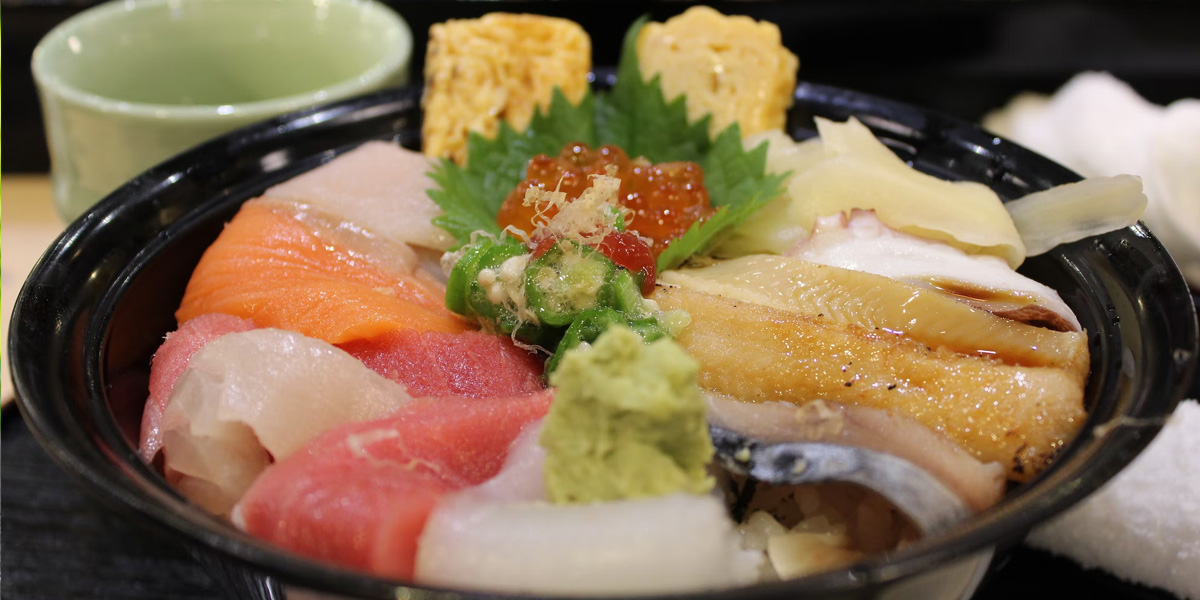
Chirashi is a type of sushi that typically consists of a bed of vinegared rice topped with pieces of raw fish, vegetables, eggs, and other ingredients. The name "chirashi" means "spread out" or "scattered" in Japanese, referring to the way the ingredients are arranged on the rice.
Chirashis were used for celebrate special occasions such as for festivals, or for festive meals like the Japanese New Year. They are often prepared in a bowl or dish, and can be decorated in a colorful and attractive way.
There are many types of chirashi, each with its own ingredients and variations. Traditional chirashi include seaweed and egg chirashi, vegetable and raw fish chirashi, and seafood chirashi. There are also more modern chirashi, such as salmon and avocado chirashi, vegetarian chirashi, and even chirashi with fusion ingredients like chicken or berry chirashi.
The ingredients used for chirashi must be fresh and of high quality. guarantee the best taste and the best presentation. The rice used for chirashi should be steamed and cooled before being mixed with the ingredients.
In conclusion, Japanese cuisine is rich sushi comes in many different types, each with its own history, ingredients, and presentation. Maki, nigiri, sashimi, temaki, and chirashi are examples of popular sushi types that have evolved over the years into dishes enjoyed worldwide. Maki are rolls of vinegared rice, raw fish, or vegetables, wrapped in a sheet of nori seaweed; they are often cut into small pieces for easier handling. Nigiri are slices of raw fish or vegetables placed on vinegared rice. Sashimi are slices of raw fish, usually accompanied by grated ginger and wasabi. Temaki are cone-shaped rolls filled with vinegared rice, raw fish, vegetables, and other ingredients, wrapped in a sheet of nori seaweed. Chirashi is a type of sushi that typically consists of a bed of vinegared rice on which pieces of raw fish, vegetables, eggs, and other ingredients are arranged.
All these types of sushi have a unique and interesting history, and they are all a testament to the rich and diverse Japanese cuisine. Each of these types of sushi can be enjoyed alone or combined to create unique culinary experiences. If you have the opportunity to try these different types of sushi, don't hesitate to explore the different flavors and textures that characterize them.