
The 7 common mistakes to avoid for perfect homemade sushi
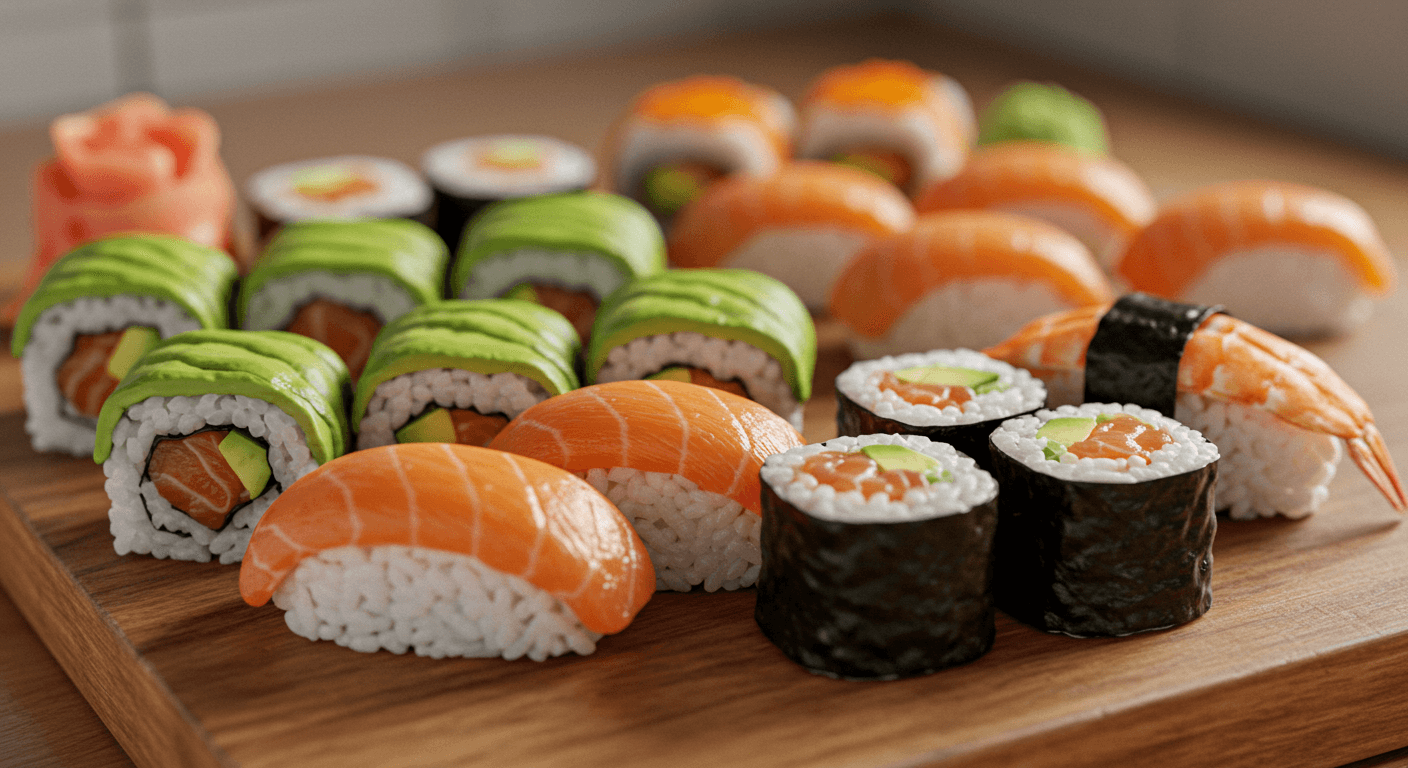
Making sushi at home is an exciting culinary adventure, an immersion into the delicate art of Japanese gastronomy. The idea of creating your own fresh and flavorful nigiri, maki, or sashimi is enticing, and more and more enthusiasts are embarking on this endeavor. However, behind the apparent simplicity of these little morsels lie precise techniques and common pitfalls that can transform a dream of perfect sushi into a sticky or tasteless disappointment. Many people, after their first attempt, end up with rice that's too soft, a roll that falls apart, or a taste that doesn't meet their expectations. But make no mistake: perfection is within reach, provided you know the errors to avoid. This article is your guide to outsmarting the most frequent pitfalls and mastering the art of homemade sushi, guaranteeing results worthy of the finest Japanese restaurants. Get ready to transform your kitchen into a veritable sushi master's workshop.
Preparing the rice and choosing the ingredients
Rice is the heart of sushi. Perfect sushi begins and ends with impeccable rice. That's why the first mistakes often lie in its preparation and the selection of accompanying ingredients. Neglecting these fundamental steps will compromise your entire culinary creation.
The first mistake, and probably the most fundamental, is to not rinsing the rice properly. Sushi rice, like most rice, has a layer of starch on its surface. If this starch isn't removed before cooking, it will make your rice excessively sticky, mushy, and difficult to handle—far from the ideal texture of distinct but tightly packed grains expected in good sushi. To avoid this, place your rice in a large bowl and rinse it under cold water, gently stirring it with your hands. The water will become cloudy. Discard this water and repeat the process several times until the rinse water is perfectly clear. This process may take 5 to 10 rinses, but it's absolutely essential for achieving the desired texture.
The second mistake is to season the rice incorrectly. Sushi rice isn't just plain white rice; it's subtly seasoned with a mixture of rice vinegar, sugar, and salt called "sushi-zu." This mixture gives the rice its characteristic slightly sweet and tangy flavor, perfectly balancing the other ingredients. Many beginners overlook the importance of this mixture or don't use the correct proportions. The secret lies in the balance and the method of incorporation. The sushi-zu should be prepared in advance and gently warmed to dissolve the sugar and salt. Once the rice is cooked and still warm, transfer it to a large, non-metallic dish (ideally wooden, like a hangiri) and pour the sushi-zu evenly over it. Use a wooden or plastic spatula to "cut" the rice and gently mix it in, being careful not to crush the grains. Fan the rice as you mix it to cool it quickly and give it a characteristic sheen. Well-seasoned, cooled rice is the foundation of successful sushi.
The third error concerns the choice of ingredients and their quality. A sushi is never better than its components. Using fish that isn't "sushi" or "sashimi" quality poses health risks and compromises flavor. Raw fish must be impeccably fresh, purchased from a trusted fishmonger who guarantees its quality for raw consumption. Don't hesitate to ask for advice. Beyond the fish, the quality of the other ingredients is just as crucial. Rancid or damp nori (seaweed), wilted vegetables, or an unripe avocado will ruin the experience. Make sure your nori is crisp and flawless, your vegetables are fresh and crunchy, and your avocado is perfectly ripe but firm. Each element contributes to the harmony of flavors and textures in your sushi.
The rolling and cutting technique
Once the rice is perfect and the ingredients are ready, the next step is assembly and shaping. This is where technique comes into play, and where many mistakes can occur, transforming a promising roll into a shapeless mass.
The fourth mistake is to rolling sushi incorrectly. Rolling is the art of giving the maki its perfect cylindrical shape, neither too loose nor too tight. A roll that's too loose will fall apart as soon as you try to cut it or pick it up with chopsticks. A roll that's too tight will crush the rice and other ingredients, resulting in an unpleasant texture. The essential tool here is the makisu, The bamboo mat. For a successful roll, place your nori sheet on the makisu, spread a thin, even layer of rice (leaving a small strip without rice at the top edge for sealing), then arrange your fillings in the center. Begin rolling, using the makisu to guide and tighten the roll. Apply firm but consistent pressure with each turn, ensuring the ingredients are well compacted. Lightly moisten the edge of the nori so it adheres well and seals the roll. Practice is key to mastering this technique, so don't get discouraged if your first rolls aren't perfect.
The fifth mistake is to cutting the rolls incorrectly. After spending time rolling the perfect maki, it would be a shame to ruin it with a bad cut. The most common mistake is using a dull or dry knife, which crushes the roll, tears the nori, and spills out the filling. For a clean, precise cut, your knife should be extremely sharp and moistened. Ideally, use a sushi knife (yanagiba) or a very sharp chef's knife. Before each cut, dip the blade in cold water and wipe it lightly. This prevents the rice from sticking to the blade. Cut the roll in half, then each half in half again, and so on, until you have equal-sized pieces (usually 6 or 8). Use a smooth, even sawing motion, without applying too much pressure. Clean the knife between each cut to ensure clean slices and avoid transferring rice or other residue.
Hygiene and preservation
Beyond technique, food safety and freshness are paramount, especially when handling raw ingredients. Two major mistakes can compromise not only the taste but also the safety of your homemade sushi.
The sixth mistake is to neglecting hygiene. Handling raw fish requires impeccable hygiene. Neglecting basic hygiene measures can lead to bacterial contamination and food poisoning. Before you begin, ensure that all your work surfaces, utensils, and hands are impeccably clean. Wash your hands frequently and thoroughly, especially after handling raw fish or other potentially contaminating ingredients. Use separate cutting boards and knives for raw fish and other ingredients (vegetables, rice) to prevent cross-contamination. Keep your ingredients chilled until ready to use and do not leave them at room temperature for extended periods. A clean work environment is the first step towards healthy and delicious sushi.
The seventh and final mistake is to Improper storage of sushi. Sushi is a delicate dish that should be eaten soon after preparation to fully appreciate its freshness and flavor. The most common mistake is preparing it too far in advance or storing it for too long. Sushi rice, once seasoned, tends to harden and lose its soft texture if refrigerated for too long. Raw fish, meanwhile, is highly perishable. Ideally, sushi should be eaten within a few hours of being made. If you must store it, place it in an airtight container in the refrigerator, but do not keep it for more than 24 hours. Absolutely avoid freezing sushi, as this will irreparably alter the texture of the rice and fish. The best approach is to prepare only the amount you intend to eat immediately, thus guaranteeing an optimal and risk-free dining experience.
Conclusion
Making homemade sushi is a rewarding experience that, with a little practice and knowledge of common mistakes, can rival the creations of professionals. We've explored the seven most frequent pitfalls, from the meticulous preparation of the rice and the delicate handling of ingredients to rolling and cutting techniques, not forgetting the crucial importance of hygiene and storage. Every step, from rinsing the rice to precise seasoning, from choosing quality ingredients to mastering the makisu (bamboo mat), and from using a sharp knife to maintaining impeccable hygiene, contributes to the perfection of your sushi.
Embarking on the journey of making homemade sushi means embracing a culinary art that demands patience and precision, but whose rewards are immense. Don't be discouraged if your first attempts aren't perfect. Every failed roll is a lesson learned, every mistake avoided brings you closer to mastery. With these tips in mind, you're now equipped to transform your kitchen into a true sushi workshop, where creativity and flavor meet. The pleasure of enjoying sushi you've made with your own hands, using fresh ingredients and a mastered technique, is incomparable. So, don't hesitate any longer, get the right tools, choose your ingredients carefully, and embark on this adventure. Your taste buds will thank you, and you'll undoubtedly impress your guests with homemade sushi that rivals anything from restaurants.