
Choosing the right rice cooker
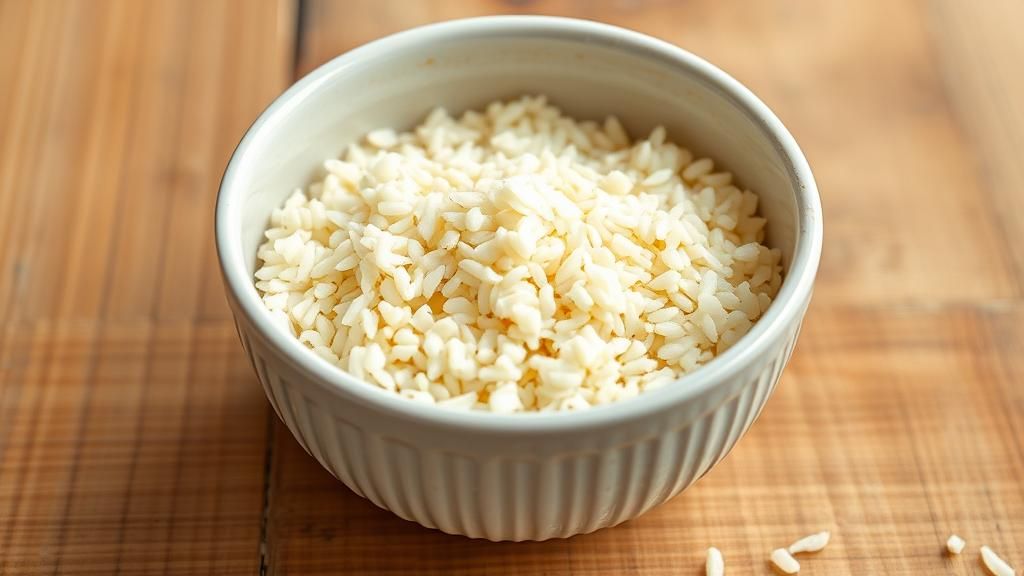
The rice cooker has become an indispensable kitchen appliance for many households, especially for those who regularly eat rice. This seemingly simple appliance hides sophisticated technology designed to cook rice to perfection, every time. No more boiling pots, sticky rice, or undercooked rice! The rice cooker guarantees even cooking and an ideal texture, while freeing up time to prepare other dishes. But with the multitude of models available on the market, how can you be sure you're making the right choice? This article will guide you through the different types of rice cookers, their features, essential selection criteria, and will give you tips on how to properly use and maintain your appliance.
1. Understanding the different types of rice cookers
The rice cooker market offers a wide variety of models, each with its own features and advantages. Understanding these differences is crucial to choosing the appliance that best suits your needs and budget.
Basic rice cookers
Basic rice cookers are the simplest and most affordable models. They typically operate with a single on/off button. Cooking is temperature-based. Once the rice has fully absorbed the water and the temperature rises, the cooker automatically switches to a keep-warm mode. These models are perfect for those looking for an easy-to-use and inexpensive appliance.
Rice cookers with advanced features
These rice cookers offer additional features that allow for more precise and versatile cooking. They may include:
- Programmable timer: to program the start of cooking and have fresh rice ready at the desired time.
- Different cooking programs: suitable for different types of rice (white, brown, sushi, etc.) and other grains such as quinoa or barley.
- Extended warmth retention: to keep the rice at the ideal temperature for several hours.
- Steam cooking: Some models are equipped with a steam basket for cooking vegetables, fish or meat at the same time as the rice.
Induction rice cookers (IH)
Induction (IH) rice cookers use induction technology to heat the inner pot more evenly and quickly. This technology allows for more precise temperature control and more consistent cooking of the rice, resulting in a better texture and more flavorful taste. IH rice cookers are generally more expensive than traditional models, but they offer superior cooking quality.
Rice cookers with microcomputer (Fuzzy Logic)
Microcomputer-controlled rice cookers, also known as "Fuzzy Logic" models, are the most sophisticated. They use a microprocessor to automatically adjust the temperature and cooking time based on the type of rice, the amount of water, and other factors. This technology ensures optimal rice cooking regardless of the type or quantity. They are generally more expensive but offer superior cooking quality and greater versatility.
2. The essential criteria for choosing the right rice cooker
To make the right choice, it is important to consider several key criteria that correspond to your needs and consumption habits.
Ability
The capacity of the rice cooker is one of the most important criteria to consider. It is usually expressed in the number of cups of uncooked rice. It is essential to choose a capacity suited to the size of your household and the amount of rice you usually consume. Here are some guidelines:
- 1 to 3 cups: Ideal for a single person or a couple.
- 5 to 6 cups: Suitable for a family of 3 to 4 people.
- 10 cups or more: Perfect for large families or for entertaining guests.
It is best to choose a rice cooker with a capacity slightly larger than your usual needs, as it is easier to cook small quantities in a large cooker than the other way around.
Features
The features offered by a rice cooker can greatly influence your user experience. Here are some features to consider:
- Cooking programs: If you consume different types of rice (white, brown, sushi, etc.), it is important to choose a rice cooker with suitable cooking programs.
- Programmable timer: This feature is very convenient for programming the start of cooking and having fresh rice ready at the desired time.
- Keeping warm: The keep-warm function is essential to keep the rice at the ideal temperature for several hours without it drying out or burning.
- Steam cooking: If you want to cook vegetables, fish or meat at the same time as the rice, opt for a model with a steam basket.
Tank materials and quality
The quality of the inner pot is a key factor in the durability and performance of the rice cooker. Inner pots are generally made of aluminum, stainless steel, or ceramic. Here are the advantages and disadvantages of each material:
- Aluminium: lightweight and economical, but can deform easily and is not as durable as other materials.
- Stainless steel: Durable and easy to clean, but may be more expensive and heat less evenly than aluminum.
- Ceramics: It offers excellent heat distribution and is non-stick, but can be more fragile and more expensive.
It's important to choose a pot with a quality non-stick coating to prevent rice from sticking and to make cleaning easier. Also, make sure the pot is removable and dishwasher-safe for easy maintenance.
Ease of use and maintenance
An easy-to-use and easy-to-maintain rice cooker will save you time and energy. Look for models with:
- An intuitive control panel: with clear buttons and easy-to-understand instructions.
- A removable lid: for easy cleaning.
- Dishwasher-safe accessories: like the bowl, the steamer basket and the spatula.
Budget
The price of rice cookers varies considerably depending on the brand, capacity, features, and quality of materials. It's important to set a budget before you start your search and compare the different models within your price range. Remember that price isn't always an indicator of quality. It's possible to find excellent rice cookers at affordable prices.
3. Tips for using and maintaining your rice cooker
To fully enjoy your rice cooker and extend its lifespan, it is important to follow a few simple usage and maintenance tips.
Water dosage
The amount of water is crucial for perfectly cooked rice. Refer to the manufacturer's instructions for the recommended water-to-rice ratio for each type of rice. Generally, the ratio is 1:1 for white rice and 1:1.5 or 1:2 for brown rice. Feel free to adjust the proportions to suit your personal preferences.
Preparing the rice
Before cooking rice, it is recommended to rinse it in cold water to remove excess starch. This results in lighter, less sticky rice. You can rinse the rice several times until the water runs clear.
Cooking rice
Follow the manufacturer's instructions to start cooking the rice. Make sure to close the rice cooker lid securely and do not open it during cooking unless instructed otherwise. Once cooked, let the rice rest for a few minutes before serving.
Cleaning the rice cooker
Clean your rice cooker after each use to prevent the buildup of residue and bacteria. Remove the inner pot and wash it in hot, soapy water. You can also use a soft sponge or cloth to clean the inside of the rice cooker. Make sure all parts are completely dry before reassembling.
Maintenance of the non-stick coating
To prolong the life of the non-stick coating on the inner pot, use only wooden or plastic utensils to stir the rice. Avoid using metal utensils, which could scratch the coating. Do not clean the inner pot with abrasive products or metal scouring pads.
A rice cooker is a worthwhile investment for anyone who appreciates perfectly cooked rice. By understanding the different types of rice cookers, considering the essential selection criteria, and following our usage and maintenance tips, you're sure to make the right choice and enjoy your appliance for many years to come. So, ready to enjoy delicious, perfectly cooked rice every time?