
Sushi-making workshops in Japan: become an itamae for the duration of your trip
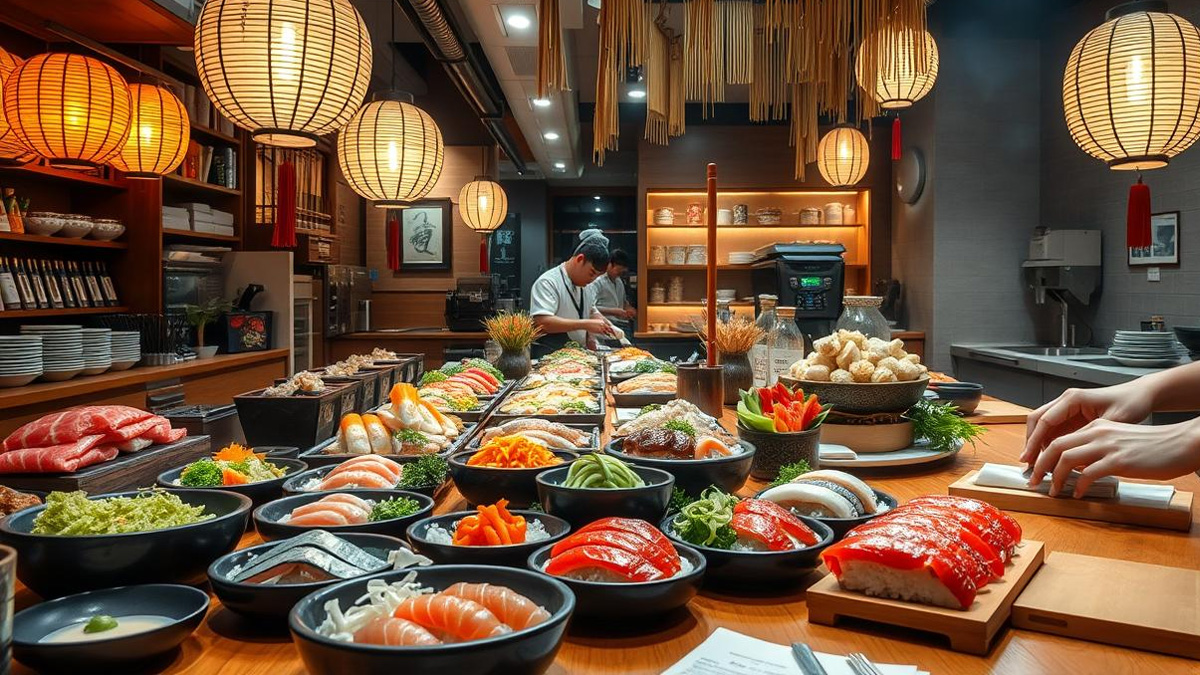
Japan is a unique country where tradition and modernity coexist. When traveling to Japan, you can visit sushi workshops. You can become an itamae, a sushi chef, for a while.
Sustainable tourism is encouraged here. It aims to enrich the visitor experience by connecting them with the local culture.
Sushi workshops in Japan offer an unforgettable experience. You'll learn how to make sushi and discover local ingredients. The itamae, or chefs, are artists who create delicious and beautiful sushi.
Main advantages
– Discover sushi workshops in Japan and become an itamae for the duration of your trip
– Learn sushi-making techniques and discover local ingredients
– Participate in Japanese cooking workshops and discover the country's culinary culture
– Visit the fish markets and discover the fresh ingredients used in Japanese cuisine
– Enjoy a unique and memorable experience during your trip to Japan
The ancient art of sushi in Japan
The art of sushi in Japan is an ancient tradition. It dates back to the Yayoi period, at the beginning of the Iron Age. Sushi has become a symbol of Japanese cuisine, showcasing Japan's ancestral artistry.
Itamae, or sushi chefs, are highly respected in Japan. They are culinary experts who create delicious dishes. Japanese culture places great value on the quality of ingredients and the precision of the cuts.
History and traditions of Japanese sushi
Japanese sushi has a long history, dating back to the Yayoi period. In the 19th century, Hanaya Yohei created nigiri-zushi, a popular type of sushi. Today, sushi is enjoyed all over the world, with chefs continuing to innovate.
The sacred role of the itamae in Japanese culture
Itamae are seen as artists. They spend years learning and creating new recipes. They choose the ingredients, prepare the sushi, and present the dishes.
The different styles of traditional sushi
There are several styles of sushi, such as nigiri, maki, and sashimi. Nigiri is a piece of fish on rice. Maki is a roll of rice and fish. Sashimi is slices of raw fish, without rice.
The best sushi workshops in Tokyo
If you're planning a trip to Japan, Tokyo is perfect for high-quality sushi workshops. This city offers a unique culinary experience. You'll find a wide variety of restaurants and cooking workshops.
Here are some of the best sushi workshops in Tokyo:
– Nippon Touch: offers sushi-making classes for beginners and experienced sushi chefs
– ASAI Takashi: offers sushi classes with over 42 years of experience in the sushi restaurant industry
To choose the best sushi restaurant in Tokyo, consider your tastes and preferences. Ask locals or other travelers for recommendations.
By participating in a sushi workshop in Tokyo, you will learn Japanese culinary techniques and discover local ingredients. It's an immersive experience that will plunge you into Tokyo's culinary culture.
Travel to Japan: Planning your culinary experience
Plan a trip to Japan A truly unique culinary experience requires some preparation. Choosing the best times for sushi workshops and local specialties is essential. The culinary experience in Japan is rich, encompassing sushi workshops and traditional markets.
To make the most of your trip, book sushi workshops and restaurants in advance. The budget for sushi classes varies depending on the duration and type of workshop. Don't forget to factor in travel and accommodation costs for a complete experience.
Best times to participate in the workshops
The best times for sushi workshops depend on the seasons and local events. Check workshop and food festival calendars to plan your trip.
Budget to plan for sushi classes
The budget for sushi classes varies from 50 to 200 euros per person. This depends on the duration and type of workshop. Don't forget to factor in the cost of equipment and ingredients for a complete experience.
In short, planning a trip to Japan for a unique culinary experience requires preparation. By choosing the best times and booking in advance, you'll have an unforgettable culinary experience in Japan.
The essential techniques taught in the workshop
Sushi workshops in Japan offer a unique experience. They allow you to discover the secrets of preparing delicious sushi. When traveling to Japan, you can sign up for these workshops to learn the basics.
The workshops cover everything from rice preparation to final presentation. Participants learn to handle ingredients with care and create balanced flavor combinations.
Sushi workshops are an excellent way to discover Japanese culinary culture. Experienced instructors guide participants through the various steps, offering tips and tricks to improve their skills.
By participating in a sushi workshop, you will discover different techniques. You will learn how to prepare the rice and handle the ingredients. You will create balanced flavor combinations and present your sushi in an attractive way.
Discover the fish markets with sushi masters
Fish markets are essential in Japan. Sushi masters choose the best fish there. The Tsukiji market in Tokyo is very famous and very popular.
The sushi chefs arrive early to select the best ingredients. The auction starts at 5 a.m. The first arrivals can witness the bidding.
The legendary Tsukiji market
Tsukiji Market is huge and open to the public. Visitors can find a wide variety of fish there. It's where sushi masters find the best ingredients.
Selection of fish and seafood
The sushi chefs carefully select the fish and seafood. They want the best for their sushi. Customers can see the different species.
Visiting fish markets is essential in Japan. Sushi masters find the best ingredients there. Customers discover new species of fish and seafood.
Etiquette and traditions to be respected during classes
A trip to Japan requires knowledge of its traditions and etiquette. This is crucial, especially in sushi classes. The Japanese place great value on politeness and respect, so it's essential to learn the basic rules to avoid making mistakes.
Here are some rules to follow:
– Use chopsticks or your hands to eat sushi, but avoid dipping the rice in soy sauce.
– Use polite phrases like «Sumimasen» to say «excuse me» or «thank you».
– Respect the bathing rules, such as undressing completely before entering a public bath.
The Japanese prefer less physical contact. Kisses, hugs, and handshakes are rare. Greetings are given by bowing the head. This shows respect.
Conclusion: an unforgettable experience at the heart of Japanese gastronomy
A trip to Japan to attend sushi-making workshops is a memorable adventure. Whether you're a beginner or an expert, these courses will introduce you to the techniques and traditions of Japanese sushi. You'll learn to work with experienced itamaes and select the finest ingredients.
You will have the chance to taste your carefully crafted creations. This experience will leave you with an unforgettable memory and encourage you to explore more of the flavors of Japanese cuisine.
FAQ
Which are the most renowned sushi workshops in Japan?
A: According to the Japan National Tourism Organization, Tokyo is the ideal place for the best sushi workshops. They are known for their high-quality instruction and exceptional sushi.
How to become an "itamae" for the duration of a trip to Japan?
A: In Japan, sushi workshops offer the chance to become an "itamae." This means learning to prepare sushi with experts. Participants discover time-honored techniques.
How important is it to consider the environmental impact when traveling to Japan?
A: Environmental impact is crucial when traveling in Japan. The Japan National Tourism Organization encourages visitors to be sustainable. This way, they can preserve the country's authenticity and beauty.
What are the best times to participate in sushi workshops in Japan?
A: The best times for sushi workshops in Japan are when the fish and seafood are fresh. It's advisable to plan your trip to ensure the highest quality ingredients.
What are the essential techniques taught in sushi workshops?
A: Sushi workshops teach time-honored techniques. You learn how to choose the best fish, how to cut it, how to prepare the rice, and how to assemble the sushi. These skills allow you to create high-quality sushi.
What are the etiquette and traditions to be respected during sushi classes?
A: During classes, it is essential to respect Japanese etiquette and traditions. This includes being polite to the instructors, respecting others, and being precise in preparing sushi. These traditions enrich the experience.